
Product bundling is a pricing and sales strategy where businesses group two or more products together and sell them as one combined package. It increases average order value, reduces marketing costs, and improves customer experience. Bundles can be pre-set by the seller or built by the customer.
From fast food combo meals to SaaS software suites, product bundling is one of the most widely used strategies in retail and eCommerce. This guide covers everything: what product bundling is, the different types, real-world examples, advantages, risks, and how to build a bundling strategy that works for your business. We also cover product bundling in banking and other industries where bundling plays a key role.
What Is Product Bundling? (Definition)
Product bundling means packaging two or more products or services together and selling them as one unit, usually at a combined price. The bundle can be a fixed set chosen by the business or a flexible option where the buyer selects what goes in. Businesses across retail, SaaS, banking, and media use bundling to move more inventory, increase revenue per customer, and simplify the buying process. To understand how bundling fits into the wider product strategy, it helps to first understand what a product is in marketing.
The core idea behind bundling is perceived value. When a customer sees three items in a bundle for less than what they would pay separately, they feel they are getting a deal. That perception drives purchase decisions even when the total spend is higher than what the buyer originally planned.
Product Bundling by the Numbers: Key 2025 Statistics
The data on product bundling is compelling. Here are three statistics from trusted sources that show just how significant this strategy is.
Stat 1: McKinsey research cited by Swell confirms that strategic product bundling boosts sales by 20% while simultaneously increasing profits by 30%. Most businesses implementing well-designed bundles achieve average order value improvements of 20 to 30%.
Stat 2: Industry research reported by PushBundle shows that up to 30% of eCommerce revenue now comes from product bundles, making it one of the highest-impact revenue strategies available to online retailers.
Stat 3: Swell’s bundling statistics research shows that bundled products turn over 30% faster than individually listed items, which directly reduces inventory carrying costs and stock obsolescence for retailers.
Why Product Bundling Matters in Marketing
Product bundling is not just a pricing trick. It is a core marketing tool that shapes customer behaviour, improves operational efficiency, and strengthens brand positioning. Here is why businesses use it.
- Build a Stronger Brand Image. Well-designed bundles signal that your brand understands what customers need. Buyers associate your business with convenience, value, and smart curation.
- Reduce Marketing Effort and Cost. Promoting one bundle is cheaper than running separate campaigns for multiple individual products. Teams can focus on fewer, higher-impact offers.
- Encourage Product Discovery. Bundles introduce customers to products they would not normally seek out. This drives broader engagement across your product range and increases the chance of repeat purchases.
- Leverage Seasonal Demand. Holiday and event-based bundles capture attention during peak shopping periods. They drive higher traffic and bulk purchasing at exactly the right time.
- Increase Customer Lifetime Value. Customers who buy bundles are exposed to more of your product range. This increases satisfaction, reduces churn, and raises the likelihood of future purchases.
Types of Product Bundling
Product bundling is not a single approach. Different types work better for different businesses, industries, and customer segments. Here are the nine most common types.
1. Pure Bundling
Pure bundling means selling items only as a complete set. Customers cannot purchase the individual components separately. This creates exclusivity around the bundle and positions the combined package as a unique offering. Businesses use pure bundling when they want to control how products are experienced together or when the items only make sense as a set.
2. Mixed Bundling
Mixed bundling offers a group of items together at a discounted price while also making each item available for individual purchase. Customers get flexibility, and the bundle incentivises them to spend more than they originally planned. Kylie Cosmetics lip kits are a strong real-world example, combining a lip liner and lipstick that can also be bought separately.
3. Cross-Sell Bundling
Cross-sell bundling groups complementary products that work well together. Amazon uses this extensively through product recommendation algorithms that surface items frequently bought alongside what is already in the cart. The goal is to make the customer feel that buying the additional item simply makes sense, given what they already want.
4. Price Bundling
Price bundling groups products together and offers the set at a reduced total cost. The discount creates urgency and perceived savings, which drive conversion. Skincare brands often bundle a cleanser, toner, and moisturiser at 15% less than the sum of individual prices. This encourages full-routine adoption rather than individual product trials.
5. Upsell Bundling
Upsell bundling presents a customer looking at one product with a bundle that includes that product plus complementary additions. A customer viewing a basic laptop might be shown a bundle with a laptop bag and mouse at a slight premium. The added value justifies the higher spend.
6. New Product Bundling
New product bundling packages a recently launched item with an established bestseller. This reduces the risk of the new item underperforming because it benefits from the credibility and appeal of the existing product. Tech brands often use this for hardware launches, pairing a new accessory with a proven device.
7. Gifting Bundles
Gifting bundles make the purchase decision easy for buyers shopping for others. These sets are curated for occasions like birthdays, anniversaries, or holidays. They often combine products across categories that would not normally be purchased together, like skincare and jewellery, to create a ready-made gift experience.
8. Inventory Clearance Bundles
Clearance bundles combine slow-moving or end-of-season stock with popular items to move inventory quickly. A clothing brand might bundle last-season shirts with a current bestseller jeans style at a reduced price. This clears warehouse space while giving older stock a second chance at sale.
9. BOGOF and Half-Price Bundling
Buy-one-get-one-free and half-price bundles reward buyers who purchase more than one unit. These deals increase transaction volume and improve customer satisfaction. The perceived deal creates enough urgency to push hesitant buyers over the line.
Types of Product Bundling: Quick Comparison
| Bundle Type | How It Works | Best For |
| Pure Bundling | Items sold only as a set | Exclusive or complementary product sets |
| Mixed Bundling | Bundle + individual items both available | Flexible retail and eCommerce |
| Cross-Sell Bundling | Related products paired together | Increasing AOV at point of purchase |
| Price Bundling | Grouped items at a discount | Volume sales and value-focused buyers |
| Upsell Bundling | Base product + premium add-ons | Higher-ticket items and tech products |
| New Product Bundling | New launch paired with bestseller | Product launch campaigns |
| Gifting Bundles | Curated gift-ready sets | Seasonal and occasion-based retail |
| Clearance Bundling | Slow stock + popular item combined | Inventory management |
| BOGOF / Half-Price | Buy more, get discount or free item | Volume and loyalty campaigns |
Advantages of Product Bundling
1. Higher Average Order Value Without New Products
Bundling raises how much customers spend per transaction without requiring new product development. Customers see grouped items as a better value and tend to commit to a larger basket. This is one of the most cost-efficient ways to grow revenue from existing traffic.
2. Improved Product Visibility
A bundle exposes buyers to products they would not have found on their own. When a customer buys a bundle, they experience your full range, which increases the likelihood of future single-item purchases from brands they now recognise.
3. Lower Marketing and Fulfilment Costs
Promoting a single bundle is cheaper than running separate campaigns for five individual products. On the logistics side, shipping one package instead of multiple orders reduces both cost and complexity. This is particularly important in eCommerce, where shipping fees are a key variable in margin calculations.
4. Faster Inventory Clearance
Pairing slow-selling stock with popular items moves inventory that would otherwise sit in a warehouse. This reduces carrying costs and frees up storage for new product lines. Bundles give older or seasonal inventory a commercial second life.
5. Stronger Perceived Value
Bundle pricing makes discounts feel more compelling without heavily discounting individual items. Customers feel they are getting more for less. This allows businesses to run promotions while protecting margin on their core products.
6. Better Customer Retention
Customers who buy bundles engage with more of your product range. Broader product usage reduces churn because customers with more touchpoints to your brand are harder to replace with a competitor. Bundle buyers also tend to have higher lifetime value than single-item buyers.
Disadvantages and Risks of Product Bundling
Product bundling delivers strong results when done well, but it also carries risks that businesses need to manage.
- Forced Bundling Frustrates Buyers. If customers feel pressured to buy items they do not want just to get the one item they do, it damages trust. This leads to higher return rates and lower satisfaction scores.
- Margin Erosion from Poorly Priced Bundles. Deep discounts on bundles can hurt margins more than the volume gain compensates. According to Revionics, 65% of retail promotions are ineffective, which includes poorly structured bundles.
- Decision Fatigue from Too Many Bundle Options. Research shows that offering too many bundle variations triggers choice overload. When customers cannot decide, they buy nothing. Keeping the bundle menu tight and curated is essential.
- Operational Complexity. Managing bundle inventory separately from individual product stock adds complexity to warehousing, fulfilment, and returns processing.
- Difficult to Attribute Performance. It can be hard to isolate which element of a bundle drove the purchase, making it harder to optimise individual product performance data.
Real-World Product Bundling Examples
1. HiSmile: Flavour Trial Bundles
HiSmile, the teeth-whitening brand, launched a toothpaste bundle featuring more than ten flavours. New buyers who cannot decide which flavour to try can explore the full range in one purchase. This strategy converted strongly. Over 80% of HiSmile online orders now come from bundled products, and the average cart size has grown four times larger than it was before bundling.
2. LVLY: Gift Box Bundles
LVLY, an Australian flower delivery brand, uses pre-curated gift boxes as its primary sales format. Each box combines flowers, chocolates, and drinks at different price points for specific occasions. The approach makes gifting decisions faster for customers and drives stronger seasonal revenue. Both online and in-store staff can recommend a complete solution rather than building individual orders from scratch.
3. Escalade Sports: Complete Activity Kits
Escalade Sports sells a portable pickleball kit that includes paddles, balls, a net, a case, and a guide. The bundle removes all friction from getting started with the sport. Individual components are also sold separately at a higher total cost, giving customers a clear reason to choose the bundle while retaining the flexibility to buy replacement parts later.
4. Rhode Skin: Upsell Kit Strategy
Skincare brand Rhode Skin used upsell kits to drive significant growth. Based on data from Particl, revenue from kit sales alone grew from USD 948,000 to USD 2.53 million per month between January and July 2025. This 2.7x increase demonstrates how a kit-led upsell strategy can compound revenue growth quickly when positioned correctly.
How to Create a Product Bundling Strategy
A strong bundling strategy does not happen by guessing. It requires analysis, intentional product selection, and ongoing optimisation. Here is a practical step-by-step approach.
Step 1: Analyse Purchase Data
Before building any bundle, look at what customers already buy together. Transaction data, cart analysis, and purchase history reveal natural product pairings. Bundling items that already co-occur in customer baskets reduces friction and increases relevance.
Step 2: Choose the Right Products
Select products that complement each other and add clear value when combined. Avoid bundling items that have no logical connection. A coffee shop might bundle a cappuccino with a croissant. A fitness retailer might combine a yoga mat, resistance bands, and a water bottle into a starter kit. The connection should be immediately obvious to the customer. See how this approach applies in specific industries like product bundling in banking, where bundled account features and services follow similar logic.
Step 3: Set a Bundle Price That Works
The bundle price needs to feel like a deal without destroying your margin. A common approach is to offer a 10 to 15% discount on the combined price versus buying each item individually. Clearly display the savings to make the value visible. Strikethrough pricing showing what each item costs individually is one of the highest-converting tactics in bundle presentation.
Step 4: Name the Bundle Clearly
Give the bundle a name that tells buyers exactly what it contains and who it is for. Vague names reduce conversion. A name like Home Workout Starter Kit is specific, descriptive, and targets a clear buyer. Avoid clever names that sacrifice clarity for creativity.
Step 5: Test and Optimise
Run A/B tests to compare bundle compositions, price points, and placement. Track metrics like AOV, conversion rate, return rate, and revenue per session. Use the data to refine which products go together, how the bundle is priced, and where it appears in the customer journey.
Product Bundling Best Practices
Here are some handy practices for product bundling used by different businesses.
1. Keep Cross-Sell Pairings Simple
Pairing a few complementary products can quickly increase average order value. Customers appreciate convenience and logical combinations that make sense together.
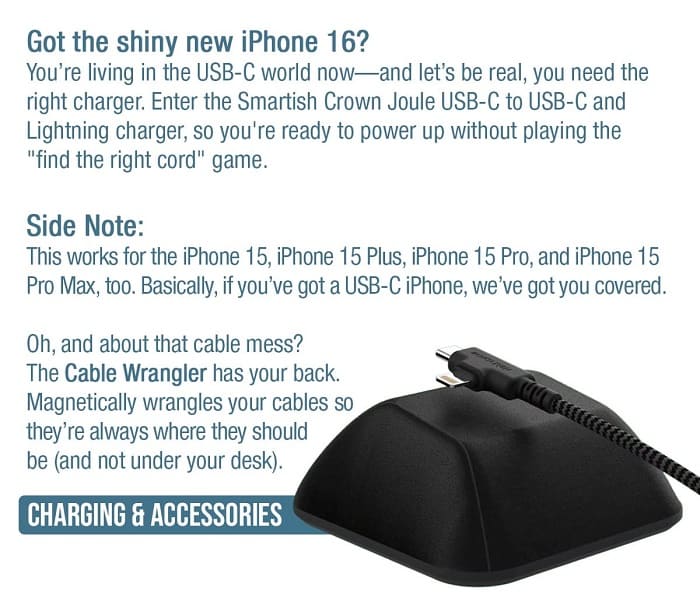
Example: Tech brand Smartish bundles a new phone with a charger and cable wrangler, helping customers get what they need in one go while boosting sales.
2. Let Customers Build Their Own Bundles
Allowing shoppers to create custom bundles gives them control and encourages larger purchases. It helps them feel the offer suits their preferences rather than a preset option.
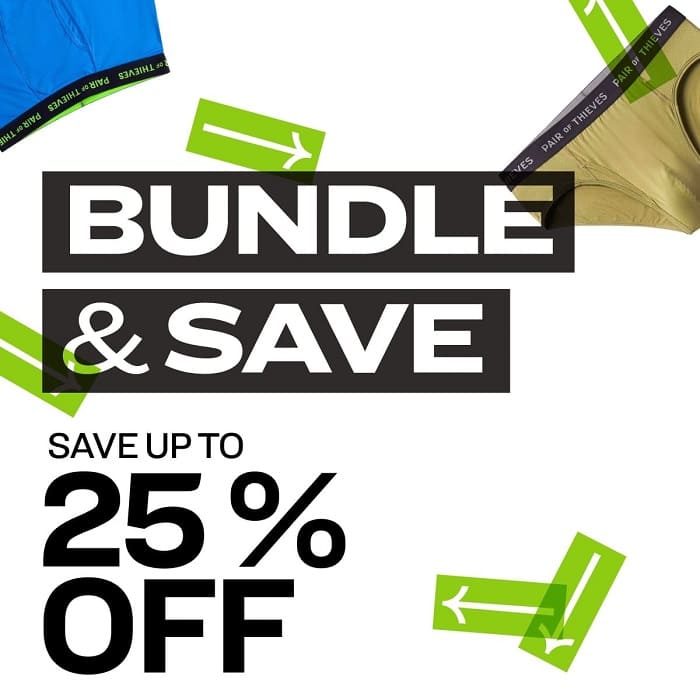
Example: Loungewear brand Pair of Thieves invites customers to build their own underwear bundles at discounted prices, making shopping more personal and engaging.
3. Use Data to Guide Bundling Decisions
Analyzing shopping patterns helps create bundles that match what customers already buy together. Data-driven offers simplify buying decisions and feel more relevant.
Example: Harper Wilde studied its shoppers’ behavior and introduced bra bundles based on popular styles. The brand even uses browsing data to send automated emails promoting these curated bundles.
Product Bundling Across Different Industries
| Industry | Bundling Example | Primary Goal |
| eCommerce / Retail | Skincare starter kits, fashion outfit bundles | Raise AOV, reduce returns |
| Banking / Finance | Current account + savings + insurance package | Increase product adoption, reduce churn |
| SaaS / Software | Starter, Pro, and Enterprise plans | Segment customers, grow LTV |
| Telecom | Mobile + broadband + TV bundles | Lock-in customers, reduce churn |
| Food and Beverage | Meal deal, combo menus | Increase transaction value |
| Travel | Flight + hotel + car rental packages | Simplify booking, increase spend |
| Gaming | Console + controller + subscription bundles | Boost hardware and service revenue |
For a deeper look at how bundling works in financial services, read our full guide on product bundling in banking.
How to Measure Product Bundling Performance
Tracking the right metrics tells you whether your bundling strategy is working and where to adjust it.
- Average Order Value (AOV). This is the primary metric for bundling success. A well-executed bundling programme should increase AOV by at least 20% within the first 90 days, based on Shopify data.
- Bundle Conversion Rate. What percentage of visitors who see the bundle go on to buy it? A low conversion rate suggests a mismatch between the bundle composition, price, or customer intent.
- Revenue per Bundle. Track how much revenue each individual bundle generates. This helps you identify your top performers and discontinue underperforming combinations.
- Return Rate. Bundles that include unwanted items lead to higher returns. Rising return rates after a bundle launch are a signal to review the product pairing.
- Inventory Velocity. Bundled products turn over 30% faster on average. Monitoring stock movement confirms whether your bundles are helping move slow inventory as intended.
- Customer Lifetime Value (CLV). Customers who buy bundles tend to have higher CLV. Tracking CLV over time confirms whether bundling is improving long-term retention and repeat purchase behaviour.
Product Bundling vs Cross-Selling vs Upselling
| Strategy | What It Does | When to Use |
| Product Bundling | Groups multiple products into one offer | When you want to raise AOV and simplify buying |
| Cross-Selling | Recommends related products alongside the main item | When you want to add complementary products at checkout |
| Upselling | Promotes a higher-tier version of what the buyer is viewing | When you want to move buyers to premium options |
All three tactics work together. Bundling is the packaging strategy. Cross-selling and upselling are the recommended tactics. Combining all three across the customer journey is how brands like Amazon generate up to 35% of total revenue from product suggestions alone.
Frequently Asked Questions About Product Bundling
What is product bundling?
Product bundling is the practice of selling two or more products together as a single package, usually at a combined price that is lower than buying each item separately. Businesses use it to increase average order value, simplify buying decisions, and expose customers to a wider range of their products.
What are the main types of product bundling?
The main types are pure bundling, mixed bundling, cross-sell bundling, price bundling, upsell bundling, new product bundling, gifting bundles, inventory clearance bundles, and BOGOF or half-price bundles. Each type serves a different commercial goal and works best in specific retail or marketing contexts.
Why should businesses use product bundling?
Product bundling helps businesses increase revenue per transaction, move slow-moving inventory, lower marketing and fulfilment costs, improve customer satisfaction, and reduce churn. It is one of the highest-ROI strategies available because it extracts more value from existing customers without increasing acquisition costs.
Does product bundling increase sales?
Yes. McKinsey research confirms that effective bundling strategies increase sales by around 20% and profits by up to 30%. Businesses that implement bundling consistently see average order value grow by 20 to 35%. Up to 30% of eCommerce revenue now comes from bundled product sales.
What is the difference between pure and mixed bundling?
Pure bundling means the items are only sold together as a set. Customers cannot buy them individually. Mixed bundling allows the items to be purchased individually as well, but offers a discount when bought together. Mixed bundling gives customers more flexibility and typically generates higher overall conversion.
How do you price a product bundle?
Set the bundle price at 10 to 15% less than the total cost of buying each item separately. Make the savings visible with strikethrough pricing. Avoid deep discounts above 20 to 25%, as these can hurt margin more than the volume gain compensates. Test different price points to find the conversion sweet spot.
What are the risks of product bundling?
The main risks are forced bundling that frustrates buyers, margin erosion from poorly priced offers, decision fatigue from too many bundle options, operational complexity in managing bundle inventory, and difficulty attributing performance data to individual products within the bundle.
How do you know which products to bundle together?
Analyse transaction data to find products that customers frequently buy together. Products that complement each other logically, serve the same use case, or are part of the same routine make strong bundle candidates. Avoid random pairings that lack a clear reason for being combined. Data-driven bundling consistently outperforms intuition-based bundling.
Also read Email Tracking Pixel: The Complete Guide to How It Works, Benefits, Privacy, and Best Practices